
This article adheres to strict editorial standards. Some or all links may be monetized.
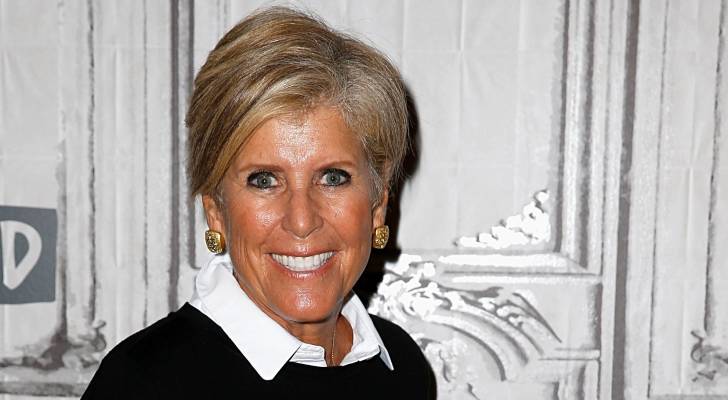
Suze Orman is no stranger to offering her advice on strategies for saving for retirement. On an episode of her podcast, “Women and Money,” she advised Ellen, a 67-year-old retiree, on a fundamental financial question: “Which bucket do I draw from first ?”
Ellen, who is primarily dependent on Social Security for most expenses, sought advice on using her retirement savings for other costs, such as traveling.
Orman’s response emphasized a strategic approach to help her maximize her retirement savings while still enjoying leisure activities. She advised prioritizing withdrawals from taxable accounts first, like traditional IRAs, over tax-free options such as Roth IRAs.
Must Read
- Thanks to Jeff Bezos, you can now become a landlord for as little as $100 — and no, you don’t have to deal with tenants or fix freezers. Here’s how
- I’m 49 years old and have nothing saved for retirement — what should I do? Don’t panic. Here are 6 of the easiest ways you can catch up (and fast)
- Dave Ramsey warns nearly 50% of Americans are making 1 big Social Security mistake — here’s what it is and 3 simple steps to fix it ASAP
Thanks to the standard deduction, Orman’s suggestion takes advantage of Ellen’s low income by recommending tax-free withdrawals of up to $15,000 annually. This approach helps Ellen’s Roth IRA grow tax-free for longer, safeguarding its potential growth and ensuring her financial security.
According to a September survey conducted by LiveCareer, just 42% of Americans feel confident regarding their retirement savings. In fact, financial anxiety has reached an all-time high, with 61% of people surveyed stating that they fear retirement more than death.
Whether you’re behind on retirement savings or in a predicament like Ellen’s, here are a couple more buckets you can fill and withdraw from during retirement.
Secure your retirement fund
While many Americans worry about whether they’ll have enough money to survive during retirement, Suze Orman consistently advocates for Roth IRAs as a top choice for retirement savings, though not necessarily the first bucket you should withdraw from.
Aside from a Roth, there are specialized IRAs that you could consider based on specific circumstances and preferences. For instance, billionaire hedge fund manager Ray Dalio favors gold in the current high-inflation environment, calling it a "timeless and universal" investment. Meanwhile, Orman has spoken at length about the importance of putting your money in a tax-advantaged retirement account.
One way to invest in gold that also provides significant tax advantages is by opening a gold IRA with the help of Priority Gold.
Priority Gold is an industry leader in precious metals, offering physical delivery of gold and silver. Plus, they have an A+ rating from the Better Business Bureau and a 5-star rating from Trust Link.
If you’d like to convert an existing IRA into a gold IRA, Priority Gold offers 100% free rollover, as well as free shipping, and free storage for up to five years. Qualifying purchases will also receive up to $10,000 in free silver.
To learn more about how Priority Gold can help you reduce inflation’s impact on your nest egg, download their free 2025 gold investor bundle.
Read more: How much cash do you plan to keep on hand after you retire? Here are 3 of the biggest reasons you’ll need a substantial stash of savings in retirement
Plan for your future
Before nearing retirement, seeking financial advice to tailor a retirement plan that aligns with your lifestyle is important. Regardless of the bucket you choose to withdraw from, there are various strategies, like the 4% rule, which suggests that retirees withdraw 4% of their retirement savings in the first year, adjusting annually for inflation to ensure funds last at least 30 years.
Suze has previously criticized the 4% rule as “very risky,” suggesting that retirees should extend their working years and withdraw no more than 3% to minimize risk.
How many retirement “buckets” do you need? And which one should you draw from first to maximize your total retirement savings? If you aren’t sure of the answer and want to find the optimal strategy to help you save for the future, it might be worth speaking to a professional who can help.
You can talk to a financial advisor to better understand you spending habits and create a retirement plan that allows you to live comfortably during your non-working years.
Advisor.com connects you with vetted fiduciary financial advisors near you. All you have to do is answer a few simple questions about your finances, and Adivsor.com matches you with a short list of certified experts to choose from.
You can then set up an introductory meeting with no obligation to hire.
In addition to your retirement accounts, you should ideally place some cash in readily accessible accounts in case of emergencies. According to the LiveCareer survey, 39% of Americans fear they don’t have enough money saved for medical emergencies or unexpected costs.
To get started, a high-yield account, such as a Wealthfront Cash account, can be a great place to grow your emergency savings, offering both competitive interest rates and easy access when you need funds.
With a Wealthfront Cash account, you could earn up to 4.25% APY on your uninvested cash for your first three months (0.50% APY boost on top of the 3.75% base variable APY) provided by program banks. That’s over ten times the national deposit savings rate, according to the FDIC’s September report.
With no minimum balances or account fees, as well as 24/7 withdrawals and free domestic wire transfers, you can ensure your funds remain accessible at all times. Plus, Wealthfront Cash account balances of up to $8 million are insured by the FDIC.
Another option is a high-yield cash account with social investing platform Public and earn up to 4.1% APY on your uninvested cash. The account has no fees whatsoever, and you aren’t required to maintain a minimum balance.
Public is a commission-free, self-directed investing platform that empowers users to manage diverse assets — including stocks, ETFs, crypto, treasuries, and alternatives — while having access to a community of fellow investors.
Grow your retirement income
You might not place a lot of importance on your stock investments during your sunset years, given your potentially limited disposable income. But investing a few dollars can round up over time to provide you with a sizable nest egg.
You can convert spare change into investments using the Acorns platform. When you make a purchase on your debit or credit card, Acorns rounds up the price to the nearest dollar and deposits the excess into a smart investment portfolio.
Thus, with Acorns, you can build your investment portfolio while spending on day-to-day purchases.
You can also customize how you save. With an Acorns Silver plan, you get access to Acorns Later, a retirement investment account with a 1% IRA match on new contributions. You can also opt for Acorns Gold plan, which offers a 3% IRA match on new contributions and the ability to customize your portfolio by selecting your own stocks.
Sign up today and receive a $20 bonus investment.
What to read next
- Warren Buffett says you can’t buy time — but landlords are finding a way. Here’s how savvy real estate investors are avoiding 12 hours a month in tedious admin (for free)
- There’s still a 35% chance of a recession hitting the American economy this year — protect your retirement savings with these 5 essential money moves ASAP
- This tiny hot Costco item has skyrocketed 74% in price in under 2 years — but now the retail giant is restricting purchase. Here’s how to buy the coveted asset in bulk
- Want an extra $1,300,000 when you retire? Dave Ramsey says this 7-step plan ‘works every single time’ to kill debt, get rich in America — and that ‘anyone’ can do it
Join 200,000+ readers and get Moneywise’s best stories and exclusive interviews first — clear insights curated and delivered weekly. Subscribe now.
This article provides information only and should not be construed as advice. It is provided without warranty of any kind.