
This article adheres to strict editorial standards. Some or all links may be monetized.
Mark Cuban became a billionaire by starting and selling multiple businesses. However, you might know him from the hit TV show Shark Tank on ABC. Hosts on the popular reality series are shrewd negotiators and savvy investors looking to place bets on the best startup ideas pitched by contestants.
However, in a 2022 interview, Cuban revealed that his broad suite of investments on the show had made a net loss.
Must Read
- Thanks to Jeff Bezos, you can now become a landlord for as little as $100 — and no, you don’t have to deal with tenants or fix freezers. Here’s how
- I’m 49 years old and have nothing saved for retirement — what should I do? Don’t panic. Here are 6 of the easiest ways you can catch up (and fast)
- Dave Ramsey warns nearly 50% of Americans are making 1 big Social Security mistake — here’s what it is and 3 simple steps to fix it ASAP
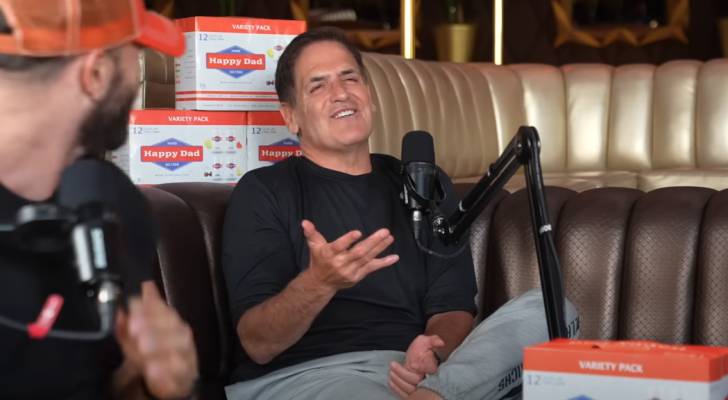
“I’ve gotten beat,” the billionaire told the Full Send podcast. Cuban deployed millions of dollars over hundreds of episodes of the show since 2009, before announcing in fall 2024 that he would step down after 16 seasons.
This rare sneak peek behind the scenes of the reality TV show offers ordinary savers and investors three key lessons.
1. Startups are risky
The type of investment popularized by shows like Shark Tank can best be described as angel investing, venture capital, or startup investing. This is because the ideas presented on the show are usually from early-stage companies with a short track record and an eye-catching idea rather than an established business.
In this asset class, Cuban’s track record isn’t unusual. According to data from San Francisco-based research organization Startup Genome, 90% of startups fail.
Making safer bets on investments
The high-risk nature of startup investing can be a thrill for high-net-worth investors like Cuban, who have well-diversified portfolios and lots of assets to play with. But for the average investor who is looking for a secure retirement, it’s better to consider guaranteed returns and low-risk investing.
A certificate of deposit (CD) is a low-risk savings account that could earn as much interest as a high-yield savings account, possibly more. However, to earn that higher rate, you’ll have to park your money in the account for a certain period of time.
With MyBankTracker, you can shop and compare top certificates of deposit rates from various banks nationwide.
Their extensive database shows the most competitive rates, with daily rate updates and personalized recommendations based on your risk preferences and time horizon so you can find the right CD to meet your savings goals.
One of the best ways to save is to make the most of your daily purchases — and you can do that by downloading the Acorns app.
With Acorns, whenever you make a purchase with your linked debit or credit card, the app automatically rounds up the total cost to the nearest dollar and invests the change in a diversified portfolio. You can also link these investments to your IRA, so you’re maximizing your retirement savings with every purchase you make.
You can also check out Moneywise’s top picks for Best High-Yield Savings Accounts of 2025 to compare more options for growing your savings safely.
Read more: How much cash do you plan to keep on hand after you retire? Here are 3 of the biggest reasons you’ll need a substantial stash of savings in retirement
2. Established businesses are safer alternatives
Instead of focusing on early-stage companies with lofty expectations of future returns, everyday investors could turn their attention to established firms with robust track records.
For instance, Cuban acquired a majority stake in the NBA’s Dallas Mavericks for $285 million from real estate developer Ross Perot Jr. — 20 years after the brand had been established. It would go on to be one of his most successful investments.
Similarly, you can pick beaten-down or overlooked companies with a long track record. Nike, for instance, has lost a lot of its value since 2021. This stock might still be in a better position than many unprofitable and overvalued startups with flimsy business models.
Stock picking is also notoriously risky — but there are ways to make safer bets and benefit from the wisdom of experts.
Moby, an investment advice platform, can help you reduce the guesswork when selecting stocks and ETFs. In four years, across almost 400 stock picks, Moby’s recommendations have beaten the S&P 500 by almost 12%, on average.
With their easy-to-understand formats, you can become a wiser investor in just five minutes, all with their 30-day money back guarantee.
However, another key lesson from Cuban’s investing history is that he spreads his money across different bets.
3. Diversification is important
Cuban’s portfolio stretches far beyond the companies he selected on Shark Tank. His company has stakes in various firms, ranging from affordable generic drug companies to tech and entertainment companies. This well-diversified approach could be one of the reasons why the entrepreneur has continued to build wealth despite several missteps and failed ventures along the way.
The lesson for ordinary investors is clear: diversify.
Here are ways to diversify your portfolio outside of the stock market, including investing in real estate, commodities and fine art.
Real estate
Real estate remains a booming market, and investors as prestigious as Warren Buffett recommend putting your money to work in this asset class.
For those interested in further diversification through commercial properties, First National Realty Partners (FNRP) provides accredited investors with access to necessity-based commercial real estate investments with a minimum investment of $50,000.
Investors can own a share of properties leased by national brands like Whole Foods, Kroger and Walmart, which provide essential goods to their communities. Thanks to Triple Net (NNN) leases, accredited investors are able to invest in these properties without worrying about tenant costs cutting into their potential returns.
Simply answer a few questions – including how much you would like to invest – to start browsing their full list of available properties.
However, owning a share of a project or property this way holds some risk — for instance, you could receive no returns and these assets are often illiquid. Speak to a professional if this investment is right for you, especially if you are retired or close to retirement.
New investing platforms are also making it easier than ever to tap into the residential real estate market.
For accredited investors, Homeshares gives access to the $36 trillion U.S. home equity market, which has historically been the exclusive playground of institutional investors.
With a minimum investment of $25,000, investors can gain direct exposure to hundreds of owner-occupied homes in top U.S. cities through their U.S. Home Equity Fund — without the headaches of buying, owning or managing property.
With risk-adjusted internal returns ranging from 12% to 18%, this approach provides an effective, hands-off way to invest in owner-occupied residential properties across regional markets.
Gold
Gold remains a solid performer and the backbone of many wealthy investors’ portfolios. In fact, its steady performance is a byword for investors. During the market crash in 2008, gold prices rose, cushioning the portfolios of investors who were savvy enough to diversify with this commodity.
A gold IRA is one option for building up your retirement fund with an inflation-hedging asset.
Opening a gold IRA with the help of Goldco allows you to invest in gold and other precious metals in physical forms while also providing the significant tax advantages of an IRA.
With a minimum purchase of $10,000, Goldco offers free shipping and access to a library of retirement resources. Plus, the company will match up to 10% of qualified purchases in free silver.
If you’re curious whether this is the right investment to diversify your portfolio, you can download your free gold and silver information guide today.
Fine art
The global art market saw significant growth in 2023, with a further 20% increase predicted for 2025, according to a report by Art Basel and UBS. If you’ve ever dreamed of owning an iconic piece of art, you may have thought that you’d have to be a billionaire like Cuban first.
However, platforms like Masterworks are democratizing the ownership and sale of artworks.
Masterworks is an online platform that allows you to invest in shares of the work of renowned artists. Simply choose the amount of shares you want to purchase, and Masterworks takes care of everything else.
See important Regulation A disclosures at Masterworks.com/cd
What to read next
- Warren Buffett says you can’t buy time — but landlords are finding a way. Here’s how savvy real estate investors are avoiding 12 hours a month in tedious admin (for free)
- There’s still a 35% chance of a recession hitting the American economy this year — protect your retirement savings with these 5 essential money moves ASAP
- This tiny hot Costco item has skyrocketed 74% in price in under 2 years — but now the retail giant is restricting purchase. Here’s how to buy the coveted asset in bulk
- Want an extra $1,300,000 when you retire? Dave Ramsey says this 7-step plan ‘works every single time’ to kill debt, get rich in America — and that ‘anyone’ can do it
Join 200,000+ readers and get Moneywise’s best stories and exclusive interviews first — clear insights curated and delivered weekly. Subscribe now.
This article provides information only and should not be construed as advice. It is provided without warranty of any kind.