
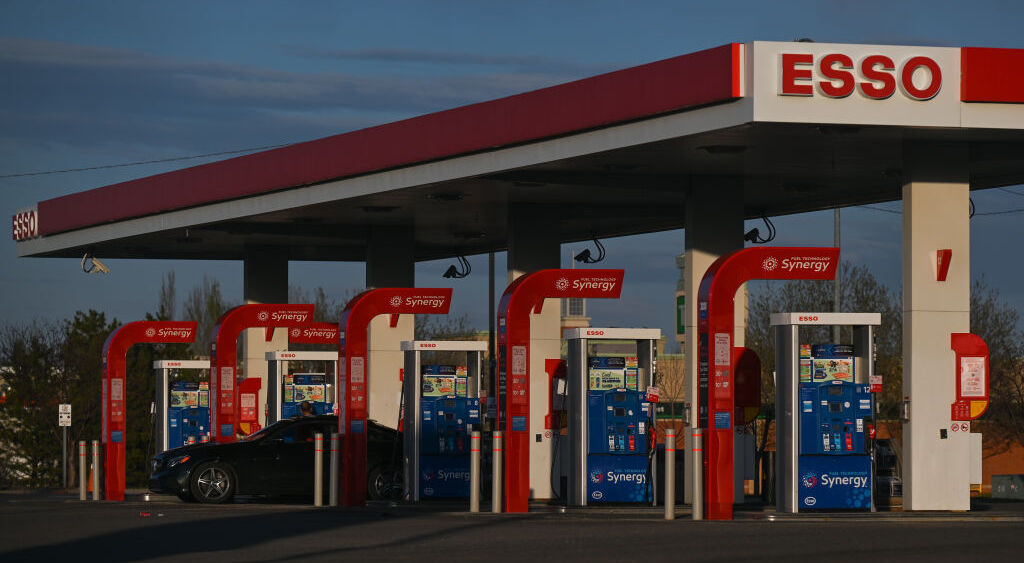
After multiple Ontarians complained of having water in their fuel tanks after filling up at an Esso gas station in Elmvale, the station’s two fuel tanks are now out of commission.
CTV News reported that the Technical Standards and Safety Authority (TSSA), which regulates and provides oversight of both fuel and other industrial stations, received three separate complaints from customers who had water in their fuel after filling up (1).
Ontarians that used the station started having vehicle issues soon after. Lindsay Fitzgerald from Tiny Township filled up her vehicle at the Esso location and found her car would not start the next day, she told the news outlet. After calling a local mechanic, Fitzgerald was told her fuel contained a significant amount of water — up to 50%. Once the contaminated fuel was drained from her vehicle’s gas lines, it started to operate normally.
Don’t Miss
- A single line on your car insurance policy could be inflating your premium by up to 30% — here’s what to change
- Here are 5 ‘must-haves’ that Canadians constantly overpay for. How many of these are sabotaging your budget every single month?
- Dave Ramsey says this 1 indulgent purchase stops people from becoming wealthy. Here’s what he recommends instead
Other residents were not so lucky. Jeremy Nadeau filled up his work truck at the same station. After driving a mere 10 kilometers, he had to have his vehicle towed — and pay over $1,000 for repairs, he told CTV.
After TSSA inspectors visited the station, they found that water had leaked into the station’s two fuel tanks, though it was unclear how the contamination occurred (2). For now, both fuel storage tanks are shut down and the TSSA said it will return to the station once the issues have been addressed.
What happens if you fill up with contaminated fuel
Vehicles that burn fuel contaminated with water can face a number of issues, such as a misfiring engine, rough idling and general poor engine performance (3). In cases where the water is present in the fuel system for an extended period of time, rust and corrosion can develop, hampering the flow of fuel and causing additional impairment.
The amount of damage caused from driving with contaminated fuel depends on how much water is present and how long it stays in the vehicle’s fuel system. The temperature outside also makes a major difference.
Jeff Whiteside, owner of Jeff Auto Repair, told CTV that if the motorists had used the water-heavy fuel when temperatures were colder, they could have faced very costly repairs.
“The only saving grace is this time of year, it’s not cold enough for the water to freeze, because if the water (was) to freeze, you’d be destroying fuel pumps, fuel injectors, fuel lines, possible tanks as it expands,” Whiteside told the outlet. “So, they got off really cheap.”
One expert told CBC News that it is not unreasonable to expect to pay $500 to $1,000 to fix the issues, so long as the fuel was not in their vehicle’s system for an extended period of time (4).
Read more: 3 essential money moves to make once you’ve saved $50,000
Who pays for the damages?
Situations like these are difficult to untangle when it comes to liability and consumer recourse.
Gas stations in Ontario are regulated under a number of different legislation such as the Gasoline Handling Act (5) and the Technical Standards and Safety Act (6) and the associated regulations. Ontario’s regulatory framework requires stations to monitor fuel tanks for issues like water contamination and take affected systems out of service when problems are detected.
Even if a gas station did not knowingly sell contaminated fuel, it may still be held liable if it failed to properly monitor or maintain its fuel systems, which lead to the contamination.
When a number of Edmontonians faced a similar issue at an Esso station, the owner of the store compensated them personally — even taking out a line of credit to cover the damages, CBC News reported (7). However, one customer that requested to be reimbursed for a $7,000 repair and towing bill, was not fully paid out at the time the news outlet published the piece. With negotiations not bearing any fruit, the customer was considering going through their insurer or taking the matter to small claims court.
Damage caused by contaminated fuel may be covered under optional comprehensive insurance, which applies to non-collision losses. However, because fuel contamination may not be a named peril, coverage often depends on the policy and the insurer’s assessment (8).
If all else fails, consumers that believe they are not being compensated may be able to take their matters before a judge.
Stop leaving money on the table with high fees and low interest. View our top-rated Canadian banks and switch to a better account today.
What to do if you think your car’s fuel is tainted
If you suspect your vehicle has contaminated fuel, you need to act quickly. Here are some expert-backed tips to make sure you get back on the road as soon as possible without damaging your vehicle.
- Act immediately. Even if you only have a suspicion, stop driving the vehicle immediately and have it towed to a mechanic to be inspected/repaired. Driving the vehicle with contaminated fuel could cause damage quickly.
- Document everything. Keep receipts from the gas station you filled up at, notes on anything odd you noticed with the vehicle, repair receipts and get an opinion on the issue from a local mechanic. In the event you try to negotiate with the station to receive compensation, or contact your insurance company to see if the issue is covered, you’ll need solid evidence in hand.
- Report the issue. Once the contamination has been confirmed, make sure to report the issue to the TSSA through their phone line at 1-877-682-8772 or email them at [email protected]. It’s also important to notify the gas station so they are aware of the issue.
What To Read Next
- Here are the 5 biggest differences between rich and poor Canadians — which side do you fall on?
- This 7-step plan from Dave Ramsey is designed to help you ditch debt, save more and build wealth — here’s how it works
- Need to stretch your dollars this month? Copy these 7 shopping habits that are actually saving Canadians money
- Gold still crashing!’: Robert Kiyosaki admits he was wrong — but doubles down on his $35K prediction
Join 19,000+ readers and get Money.ca’s best stories and exclusive interviews first — clear insights curated and delivered weekly. Subscribe now.
Article sources
We rely only on vetted sources and credible third-party reporting. For details, see our editorial ethics and guidelines.
CTV News (1, 2); Orchard Ford (3); CBC (4, 7); Ontario.ca (5, 6); ThinkInsure (8)
This article provides information only and should not be construed as advice. It is provided without warranty of any kind.