
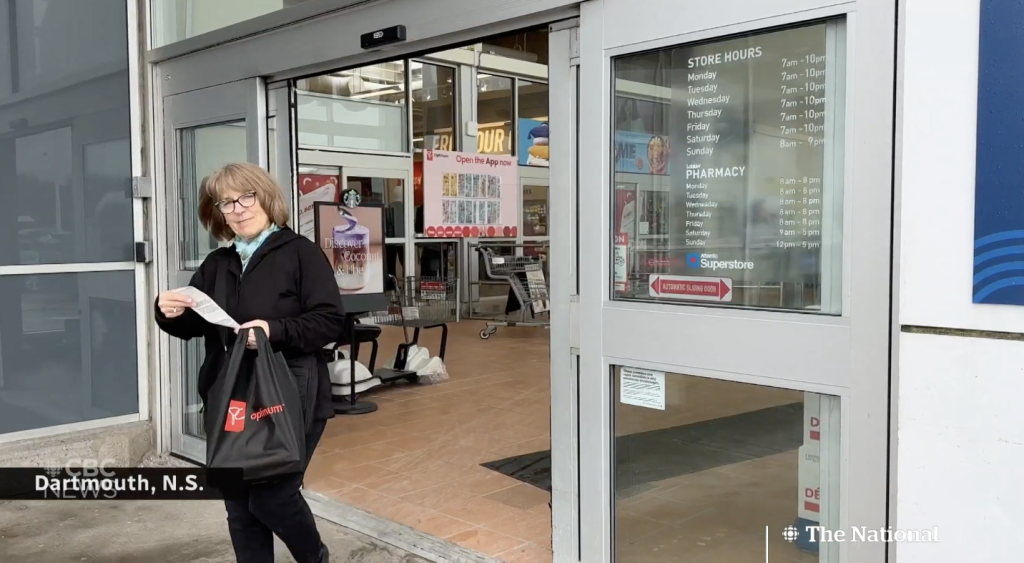
Galen Weston’s brands are allegedly short-changing us, again. This time, it’s not a shadowy backroom deal to inflate the price of your morning toast (aka: the bread-fixing scandal). Now, it’s happening right in front of your eyes at the meat counter. While you’re busy trying to figure out how a pack of chicken breasts is now the equivalent cost of a small kitchen appliance, big grocers are allegedly charging you for food that simply isn’t in the package.
For years, Canadians have been told to "shop the sales" and "buy in bulk" to survive the cost-of-living crisis. But what happens when the weight on the sticker is a lie? Recent investigations and social media outcries have pulled back the curtain on a practice that feels like a slap in the face to every hardworking person in this country: weight discrepancies that conveniently always seem to favour the house.
Don’t Miss
- A single line on your car insurance policy could be inflating your premium by up to 30% — here’s what to change
- Here are 5 ‘must-haves’ that Canadians constantly overpay for. How many of these are sabotaging your budget every single month?
- Dave Ramsey says this 1 indulgent purchase stops people from becoming wealthy. Here’s what he recommends instead
Your "one kilogram" of beef may be a lie
The math is simple and infuriating. When a retailer labels a package of ground beef as 1.2 kilograms, but it actually weighs 1.0 kilograms, they’ve effectively charged you for 20% more than you paid for — short-changing you on a transaction that directly impacts your everyday budget.
In a recent investigation by CBC News, shoppers documented cases where they were overcharged by significant margins because the scale on the store floor did not match the sticker on the meat (1).
One shopper purchased a pack of chicken from a Loblaw-owned store only to find it was 200 grams short. At today’s prices, that’s not a rounding error — it’s several dollars gone from a family’s weekly budget. The argument consumers are making is the double standard: If a customer walked out of the store without paying for a $5 item, the police would be called. When a grocery giant "accidentally" overcharges millions of customers by $5, it’s called a technical glitch.
Stop leaving rewards on the table. Compare Canada’s top grocery cards to see how much you could be earning on your everyday spending.
The "weepage" excuse doesn’t hold water
When caught, the corporate response is predictably sterile. A spokesperson for Loblaw told CBC News (2): "We take these matters very seriously and have reached out to the customer to apologize and make it right."
These weight discrepancies are often blamed on "weepage"— the natural loss of moisture from meat — or human error in "tare" settings (the weight of the packaging). But let’s be honest, these errors rarely (if ever) skew the other way. When was the last time you brought home a package of meat only to realize you’d received 200 grams of free steak?
Read more: 3 essential money moves to make once you’ve saved $50,000
It’s happened before
And these errors in pricing have occurred before. Loblaw’s parent company only recently settled a $500 million lawsuit for its role in the infamous bread price fixing scandal.
In most cases like this, corporations settle without a full formal admission of wrongdoing in the legal sense, even when they’ve made public statements that amount to the same thing. In the bread fixing case, Loblaw took the unusual step of self-reporting (and received immunity), and George Weston Limited made fairly candid public acknowledgments of the brand’s role in coordinating efforts to raise bread prices.
Now, Canadians must decide whether to believe these "weight errors" are mistakes or an effort to juice profit margins.
How to fight back against the grocery giants
You are already paying record prices for food. You shouldn’t have to pay for "ghost weight" too. Since the regulators at Measurement Canada cannot be in every aisle, the burden of proof falls on the Canadian consumer. Here’s what you can do:
- Use the produce scales: Before you put that expensive roast in your cart, take it to the produce section and weigh it on the digital scales. If the weight is lower than the sticker, bring it to the manager immediately.
- Challenge the "tare": You should never pay for the weight of the Styrofoam tray or the blood-soaking pad. If the weight on the scale matches the weight on the sticker exactly, you are likely being overcharged for the plastic.
- Report every instance: Don’t just ask for a refund. File a formal complaint with Measurement Canada (3).
The Competition Bureau of Canada (4) has already noted that a lack of competition in our grocery sector allows these giants to behave with impunity. They know you have nowhere else to go.
It’s time to stop being polite about being robbed. Check your labels, weigh your food and stop letting Galen Weston take an extra cut from your dinner table.
Not sure which card fits your lifestyle? Use our Comparison Tool to filter by 135 different metrics and find your perfect match in seconds.
What To Read Next
- Here are the 5 biggest differences between rich and poor Canadians — which side do you fall on?
- This 7-step plan from Dave Ramsey is designed to help you ditch debt, save more and build wealth — here’s how it works
- Need to stretch your dollars this month? Copy these 7 shopping habits that are actually saving Canadians money
- Gold still crashing!’: Robert Kiyosaki admits he was wrong — but doubles down on his $35K prediction
Join 19,000+ readers and get Money.ca’s best stories and exclusive interviews first — clear insights curated and delivered weekly. Subscribe now.
Article Sources
We rely only on vetted sources and credible third-party reporting. For details, see our ethics and guidelines.
CBC News (1, 2); Measurement Canada (3); Competition Bureau of Canada (4)
This article provides information only and should not be construed as advice. It is provided without warranty of any kind.