
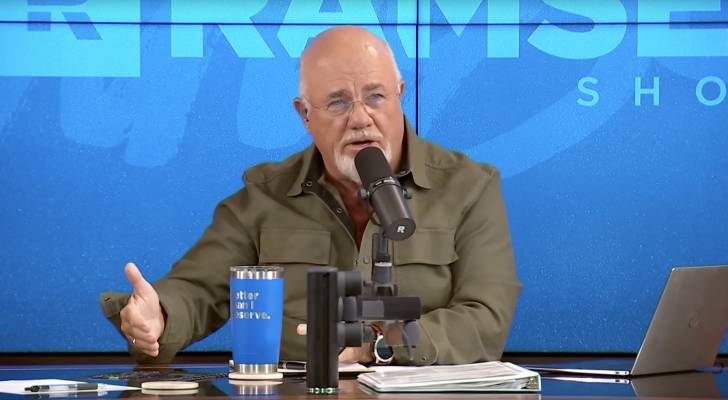
Bridget from Toledo, Ohio, reached out to The Ramsey Show for advice about how to handle a subprime lender who insists she still owes more than $17,000 on her 2016 Ford Fusion — a car she bought in 2017 that should have been paid off by April 2023.
After making payments for more than seven years, her lender claims she still owes $17,494.31 — far more than the car is worth. The amount includes late fees and possibly charges that stem from a brief repossession of the vehicle.
Bridget says she was given a list of payments and outstanding fees, but claims the numbers don’t add up. She’s concerned the lender might be hiding something or taking advantage of her in some way. Now, she’s stuck in a cycle of frustration, and is worried about losing her car altogether.
Must Read
- Thanks to Jeff Bezos, you can now become a landlord for as little as $100 — and no, you don’t have to deal with tenants or fix freezers. Here’s how
- I’m 49 years old and have nothing saved for retirement — what should I do? Don’t panic. Here are 6 of the easiest ways you can catch up (and fast)
- Dave Ramsey warns nearly 50% of Americans are making 1 big Social Security mistake — here’s what it is and 3 simple steps to fix it ASAP
“You’re dealing with a subprime lender,” host Dave Ramsey said in a clip posted Aug 5. “They are not usually nice to work with.”
What you should know about subprime lenders
Subprime lenders are creditors that specialize in providing loans and financing to people with low (or “subprime”) credit scores — typically under 620. These borrowers often don’t qualify for traditional loans from a bank or credit union, which makes subprime financing an appealing option. For someone with a bad credit history who needs a car for their commute to work or to take children to school, these lenders can feel like a lifeline.
But subprime lending can come with serious drawbacks — the biggest one being sky-high interest rates. Bridget says her interest rate on the loan is 18.95%. According to Edmunds, the average new-vehicle annual percentage rate in the second quarter of 2025 was 7.2%.
Subprime loans can also come with hefty fees and strict policies. If a borrower falls behind on payments, these fees can quickly balloon the balance. This can make the loan difficult to pay off if you’re unable to consistently make payments.
Dealing with a shady lender
There’s no way to know whose calculations are correct — Bridget’s or the creditor’s — but Ramsey cautions anyone from getting involved with subprime lenders.
“They’re three notches above a loan shark,” he said.
Here are the three options he recommended to Bridget to deal with her lender.
1. Keep pushing for answers
The first option Ramsey recommended was to demand an itemized, accurate statement of the debt that shows exactly how the lender arrived at its figure. He suggested setting a firm timeline, such as a month, to get answers. If they can agree on a number, she can focus on paying off the car and moving forward with her life.
Read more: Robert Kiyosaki warns of a ‘Greater Depression’ coming to the US — with millions of Americans going poor. But he says these 2 ‘easy-money’ assets will bring in ‘great wealth’. How to get in now
2. Get a lawyer to sue the company
If the lender won’t co-operate, Ramsey suggested hiring a lawyer. They may be able to help get more information about the loan and late fees and challenge incorrect fees if necessary. While hiring a lawyer is a strong move, it can also be expensive — making it a difficult choice for someone who is already struggling financially. Be warned, if you pursue legal action, it’s best if you’re absolutely certain a lender is in the wrong, and the reward is worth the cost.
3. Walk away
The third option was to surrender the car and let the lender repossess it. Ramsey stressed this is not a good option, but it is a possibility if no other path works. Walking away would further damage Bridget’s credit, and may still leave her in debt. On top of that, she would have no transportation.
What you can do to avoid a subprime debt spiral
Borrowing from a subprime lender is risky, and the interest rates alone can pull borrowers deep into debt. Add in any sneaky contract terms, and it can create a challenging situation. If you find yourself considering a similar loan, be sure you research to find if you have any other options. Maybe you need a car to get to work — can you find a reliable used vehicle for just a few thousand dollars?
You should also consider alternate modes of transportation, including carpooling or public transit, to help you save money while rebuilding your finances. Make sure you’ve truly considered every other option before signing up for a risky subprime loan.
Look for alternative loan options
Before going with a subprime lender, consider other loan options, including whether you might be able to borrow from a friend or family member. You can also consider asking this person to be a cosigner, if they’re willing and have good credit. This may help you access a traditional car loan with a better interest rate. You should be aware, however, a cosigner is also responsible for the loan, which means if you don’t hold up your end of the bargain and miss payments, you will hurt this person financially.
Look for trusted subprime lenders
There are several large, trusted lenders that extend credit to some subprime borrowers. Compare the rates and terms from these lenders with true subprime lenders. You may find the terms are more favorable with a trusted company.
What to read next
- How much cash do you plan to keep on hand after you retire? Here are 3 of the biggest reasons you’ll need a substantial stash of savings in retirement
- There’s still a 35% chance of a recession hitting the American economy this year — protect your retirement savings with these 5 essential money moves ASAP
- This tiny hot Costco item has skyrocketed 74% in price in under 2 years — but now the retail giant is restricting purchase. Here’s how to buy the coveted asset in bulk
- Want an extra $1,300,000 when you retire? Dave Ramsey says this 7-step plan ‘works every single time’ to kill debt, get rich in America — and that ‘anyone’ can do it
Join 200,000+ readers and get Moneywise’s best stories and exclusive interviews first — clear insights curated and delivered weekly. Subscribe now.
This article provides information only and should not be construed as advice. It is provided without warranty of any kind.