
When Joanne’s landline went silent after returning home from the hospital, she assumed it was a simple technical problem.
But within weeks, $25,000 disappeared from the 86-year-old’s Wells Fargo savings account. Thieves had pulled off a sophisticated scam that relied on her hijacked phone number and a vulnerability in an old joint bank account.
Must Read
- Real Estate: Thanks to Jeff Bezos, you can now become a landlord for as little as $100 — and no, you don’t have to deal with tenants or fix freezers. Here’s how
- Retirement: Dave Ramsey warns nearly 50% of Americans are making 1 big Social Security mistake — here’s what it is and 3 simple steps to fix it ASAP
- Investing: Warren Buffett used 8 solid, repeatable money rules to turn $9,800 into a $150B fortune. Start using them today to get rich (and stay rich)
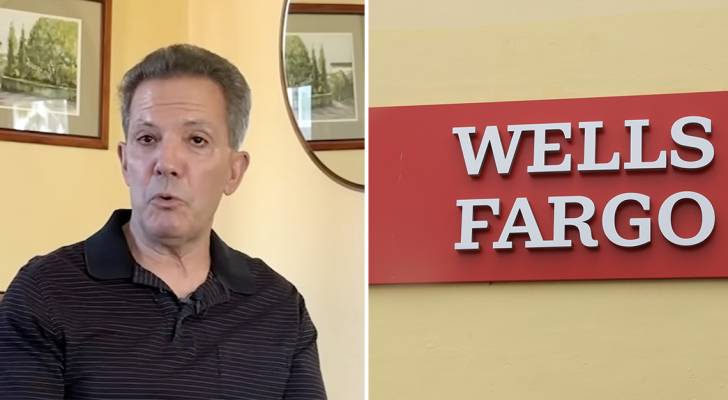
"It was too easy for this to happen," her son Steve told ABC7’s Seven On Your Side after discovering criminals had used his late father’s identity along with his mother’s stolen phone number to get into a joint account still registered in both parents’ names (1).
It’s part of an alarming trend. The FBI says older Americans lost nearly $4.9 billion to scams in 2024, a 43% increase from 2023 (2). One of the fastest-rising tactics is phone number hijacking, and seniors are especially at risk because many still rely on landlines and older authentication systems.
How landlines become tools for fraud
Outdated joint accounts that still list deceased spouses leave seniors exposed because scammers can use old identity data to pass verification checks.
Phone number hijacking isn’t limited to mobile SIM cards. The Federal Communications Commission (FCC) says criminals take advantage of the legal "number porting" process that lets customers move phone numbers from one carrier to another (3). In Joanne’s case, AT&T confirmed fraudsters had stolen her landline number and ported it to a cell phone on another carrier.
Once criminals control a phone number, they can intercept text calls and texts, including two-factor authentication codes from banks.
"This typically begins a race where the scammer, by receiving the victim’s private texts and calls, tries to reset the access credentials for as many of the victim’s financial and social media accounts as possible," the FCC warns (3).
What made Joanne’s case more insidious was the joint savings account that still included her late husband. Criminals used his identity and her stolen phone number to pass verification checks, making the activity look legitimate to automated systems.
Read More: No time to lower your crippling car insurance rate? Here’s how to do it within minutes — you could end up paying $29/month without a single phone call
The one move that could have stopped it
Wells Fargo removed Steve’s father from the account, which should have happened immediately after his death.
This kind of oversight is common. Accounts for utilities, phone services, financial institutions and credit cards often stay active under deceased spouses’ for years, creating openings for scammers.
Criminals buy leaked personal data, such as birth dates, Social Security numbers and addresses, on dark web marketplaces powered by massive breaches. One of the biggest was the National Public Data hack, which exposed 2.9 billion records (4).
Using that stolen information together with hijacked phone numbers, fraudsters can impersonate deceased account holders and get through verification checks.
"We continually combat fraud to protect our customers," Wells Fargo told Seven On Your Side. "As part of this effort, it is very important for customers to keep their account information current and notify us of life changes, including the passing of an account holder."
Family protection checklist
If you’re helping aging parents manage their finances, take these steps as soon as possible:
- Remove deceased account holders from all accounts. Contact every financial institution, utility company, phone carrier and credit card issuer after a death. This single update eliminates a major fraud risk.
- Add carrier port-out locks. Ask phone carriers to apply port-out protection. Under FCC rules introduced in 2024, carriers must offer account locks that prevent number transfers without additional verification (5).
- Move away from SMS authentication. Text codes can be intercepted if a number is hijacked. Use authenticator apps or, even better, physical security keys.
- Request bank call-back verification for wire transfers. Ask your bank to call a pre-registered alternate number before approving any wire transfer or large transaction.
- Consolidate and monitor accounts. Reduce the number of accounts to simplify oversight. Turn on email alerts for all transactions so suspicious activity is caught quickly.
- Lock credit files. Freeze credit reports with Equifax, Experian and TransUnion to prevent new accounts from being opened in your parents’ names.
- Set up trusted contacts. Many financial institutions let you add trusted contacts who can be notified if unusual activity occurs or if the bank can’t reach the account holder.
What to read next
- Dave Ramsey says this 7-step plan ‘works every single time’ to kill debt, get rich — and ‘anyone’ can do it
- Robert Kiyosaki says this 1 asset will surge 400% in a year — and he begs investors not to miss its ‘explosion’
- Even in a choppy market, young millionaires are betting big on these asset classes — and older Americans should take note
- I’m almost 50 years old and have nothing saved for retirement. What do I do? Don’t panic. Here are 6 easy ways to catch up (and fast)
Join 200,000+ readers and get Moneywise’s best stories and exclusive interviews first — clear insights curated and delivered weekly. Subscribe now.
Article sources
We rely only on vetted sources and credible third-party reporting. For details, see our editorial ethics and guidelines.
ABC 7 (1); FBI (2); FCC (3); CBS News (4); Federal Register (5).
This article provides information only and should not be construed as advice. It is provided without warranty of any kind.