
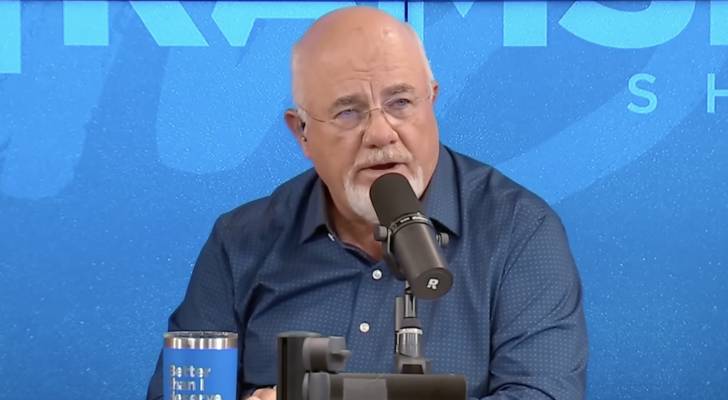
Toby called into The Ramsey Show from Ohio, laying his problems on the line. He’s homeless, unemployed and saddled with $14,000 in debt of which nearly half is a car loan. Even his car’s “broke.”
He was charged with a DUI last year, and added that he had developed a mental block about working.
Toby asked Dave Ramsey and Jade Warshaw if declaring bankruptcy was a “smart move.”
Must Read
- Real Estate: Thanks to Jeff Bezos, you can now become a landlord for as little as $100 — and no, you don’t have to deal with tenants or fix freezers. Here’s how
- Retirement: Dave Ramsey warns nearly 50% of Americans are making 1 big Social Security mistake — here’s what it is and 3 simple steps to fix it ASAP
- Investing: Warren Buffett used 8 solid, repeatable money rules to turn $9,800 into a $150B fortune. Start using them today to get rich (and stay rich)
“Toby, you’re not bankrupt,” Ramsey responded. “You’re broke, homeless and don’t have a job.” (1)
Ramsey said debt was simply a symptom of “all the other crap that’s going on in your life — not keeping a job, DUIs and all this other stuff.”
He and Warshaw urged Toby to find a steady job to get his life back on track. Toby asked them to help him with his lack of motivation.
“The problem with your money is the guy in your mirror, and he’s difficult,” Ramsey said. “Controlling the guy in our mirror is every one of us. It’s the thing we struggle with the most.”
Here’s what Ramsey recommended Toby do instead of declaring bankruptcy.
Ramsey recommends support to get back on track
He told Toby that may be able to pay off his car loan some day but not to worry about it too much as there’s nothing debt collectors can chase down; the car’s broken down.
“If they come find you, they can’t take nothing,” Ramsey said. “You’re what they call judgment-proof.”
Read more: Robert Kiyosaki says this 1 asset will surge 400% in a year — and he begs investors not to miss its ‘explosion’
Filing for bankruptcy can be helpful if you’re inundated with collection calls or are being sued for payment, but it’s important to note that even if you file for bankruptcy, the court may not grant you one. (2)
A Chapter 7 bankruptcy allows individuals to forgo paying debt if they can prove their assets are not reasonably sufficient to satisfy their creditors. Chapter 13 Bankruptcy, also called a wage earner’s plan, enables individuals with a regular income to repay all or part of their debts over a period of three to five years.
Most financial advisors like Ramsey say to stay away from filing for bankruptcy if possible.
There are better alternatives, like out-of-court agreements with creditors or debt counseling services and debt consolidation plans.
That’s because the long-term effects of bankruptcy are serious: losing your assets and not being able to take out a loan or mortgage for seven years.
It can have a serious impact on your lifestyle and financial future, so it’s critical to work with a financial advisor if you’re considering this option.
Ramsey said what Toby needs — more than financial support — is moral support. He recommended that Toby seek out mentors, for example, at his local church, to help him work toward more stability in his life.
Toby responded that he did have mentors who were already helping with his own self-reflection.
How our emotions influence our financial decisions
Many young people like Toby are struggling to get ahead. In a recent Bank of America survey, 51% of Gen Z said the high cost of living is a barrier to their financial success (3).
Some turn to unhealthy behaviors to feel temporary relief, like retail therapy, ignoring financial responsibilities or doom scrolling (4).
If you’re under stress, feeling anxious or depressed, or have another mental or physical health issue, managing your money can seem overwhelming.
To get back on track, Ramsey recommends his 7 Baby Steps, which can help you climb out of debt and build a solid financial future (5).
Meanwhile, if you’re struggling with your attitude towards money, ask yourself (6):
- What are the emotions driving my spending habits?
- Am I avoiding financial responsibility?
- Before spending on discretionary purchases, ask: Is this purchase aligned with my goals?
- What are my short-term and long-term financial goals?
- Do I have any negative or self-limiting beliefs about money?
Consider working with a financial advisor to help you get on track with budgeting and your goals, or a financial therapist who can help you unpack your beliefs about money.
The first step to getting help, as Toby demonstrated, is acknowledging you have a problem.
Article sources
We rely only on vetted sources and credible third-party reporting. For details, see our editorial ethics and guidelines.
The Ramsey Show (1); Experian (2); Bank of America(3); NASDAQ (4, 6); Ramsey Solutions (5)
What to read next
- ‘Hold onto your money’: Jeff Bezos issued a warning to rethink buying a ‘new automobile, refrigerator, or whatever’ — does it hold true today?
- Dave Ramsey says this 7-step plan ‘works every single time’ to kill debt, get rich — and ‘anyone’ can do it
- I’m almost 50 years old and have nothing saved for retirement. What do I do? Don’t panic. Here are 6 easy ways to catch up (and fast)
- 22 US states are already in a recession — protect your savings with these 10 essential money moves ASAP
Join 200,000+ readers and get Moneywise’s best stories and exclusive interviews first — clear insights curated and delivered weekly. Subscribe now.
This article provides information only and should not be construed as advice. It is provided without warranty of any kind.