
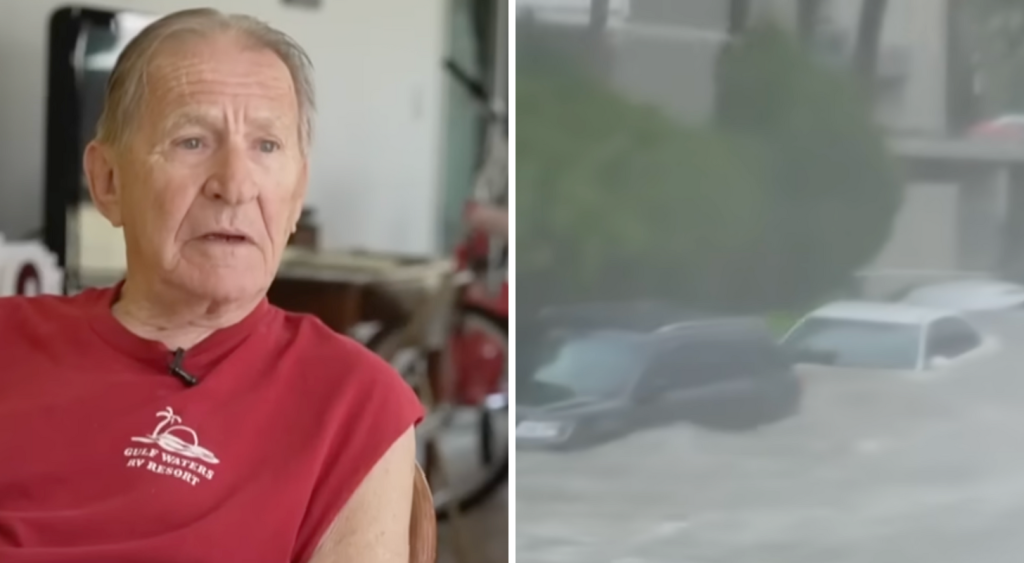
When Hurricane Ian hit Florida’s Gulf Coast in 2022, it destroyed homes and drowned thousands of cars. In some neighborhoods, floodwaters rose high enough to submerge dashboards and ruin engines. Many of those vehicles were written off by insurers and hauled to salvage lots across the state.
But not all stayed there.
Must Read
- Thanks to Jeff Bezos, you can now become a landlord for as little as $100 — and no, you don’t have to deal with tenants or fix freezers. Here’s how
- Robert Kiyosaki says this 1 asset will surge 400% in a year — and he begs investors not to miss its ‘explosion’
- Dave Ramsey warns nearly 50% of Americans are making 1 big Social Security mistake — here’s what it is and 3 simple steps to fix it ASAP
Today, an estimated 82,000 flood-damaged vehicles are back on Florida’s roads, according to a recent CARFAX report (1) — more than any other state in the country. And some of those cars are being listed for sale to unsuspecting buyers, often with no visible sign of damage. For drivers hunting for a bargain, it’s a costly trap coiled to spring.
From total loss to back on the market
Jerry Redini knows the risk firsthand. When Hurricane Ian’s surge flooded his neighborhood near the Sanibel Causeway, both of his family’s cars – a Jeep and a convertible – took on saltwater up to the dashboards, he told GulfCoast News (2). His mechanic’s verdict was swift: “You get saltwater under the electrical, might as well get rid of it.”
That’s exactly what happens to most flood-damaged cars. Insurance companies typically “total” the vehicle, paying out to the owner and marking the car with a salvage title (3), which flags that it’s been declared a total loss. From there, the cars are towed to salvage yards and auctioned, sometimes for parts, sometimes to buyers who repair and resell them.
That’s where things get dangerous. Once a car is detailed and cleaned up, flood damage isn’t always visible. “We’ve seen vehicles that have had water damage, but they’ve been detailed so thoroughly it’s really hard to tell,” Fort Myers, Fla., auto technician Jason LaBonte told Gulf Coast News (2).
Trending: Approaching retirement with no savings? Don’t panic, you’re not alone. Here are 6 easy ways you can catch up (and fast)
Why insurance and titles matter
A salvage title doesn’t always mean a car is junk, but it’s a crucial piece of information. It tells buyers that the vehicle has sustained significant damage from events such as floods, fires or major collisions, and was once declared a total loss by an insurer. Many states require that designation stays with the car for life (4).
However, not every flood-damaged vehicle gets properly labeled. If insurance wasn’t involved – say, the owner didn’t have comprehensive coverage or paid for repairs out of pocket – the car may never receive a salvage title. It can then re-enter the market without any obvious record of damage.
That’s how some “washed” cars end up being resold. A detailed cleaning job and a smooth test drive can hide the warning signs, leaving buyers none the wiser until electrical systems start shorting out months later.
The hidden dangers of flood cars
Flood-damaged vehicles may look perfectly fine, but the problems lurk beneath the surface. Water, especially saltwater, corrodes wiring, fuses and sensors, and can lead to long-term mechanical and electrical failure. That means safety features like airbags or anti-lock brakes may not work properly.
Even after extensive repairs, moisture can remain trapped inside the car’s frame or carpeting, leading to mold, rust,and persistent electrical glitches. “If I plug in a new modern vehicle and it has between 30 to 60 fault codes, there’s a good chance there could’ve been some kind of electrical fault or water damage somewhere,” LaBonte explained to Gulf Coast News.
How to protect yourself before buying used
Before you buy any used vehicle, especially in Florida or another flood-prone state, take a few extra steps to make sure you’re getting what you think you’re paying for.
Start by checking the vehicle identification number (VIN) through services such as CARFAX or AutoCheck, which can show if a car has been issued a salvage or flood title. If the seller hesitates to provide the VIN, that’s a red flag.
Next, inspect the car in person or have a trusted mechanic do it. Look for signs of flood exposure such as rust under seats, water lines in the engine compartment, or a musty smell in the upholstery. Get a diagnostic scan to check for electrical fault codes that might indicate hidden water damage.
What to read next
- Grant Gardone reveals the ‘real problem’ with US real estate (and what average Americans must actually do to get rich)
- Warren Buffett used 8 solid, repeatable money rules to turn $9,800 into a $150B fortune. Start using them today to get rich (and stay rich)
- Dave Ramsey says this 7-step plan ‘works every single time’ to kill debt, get rich — and ‘anyone’ can do it
- 22 US states are already in a recession — protect your savings with these 10 essential money moves ASAP
Join 200,000+ readers and get Moneywise’s best stories and exclusive interviews first — clear insights curated and delivered weekly. Subscribe now.
Article sources
We rely only on vetted sources and credible third-party reporting. For details, see our editorial ethics and guidelines.
CARFAX (1); Gulf Coast News (2); NAIC (3); Car Titles (4)
This article provides information only and should not be construed as advice. It is provided without warranty of any kind.