
This article adheres to strict editorial standards. Some or all links may be monetized.
You may be accustomed to paying your auto insurance company — millions of Americans do it every month without a second thought. But, in a welcome reversal, some drivers are getting a billion-dollar refund.
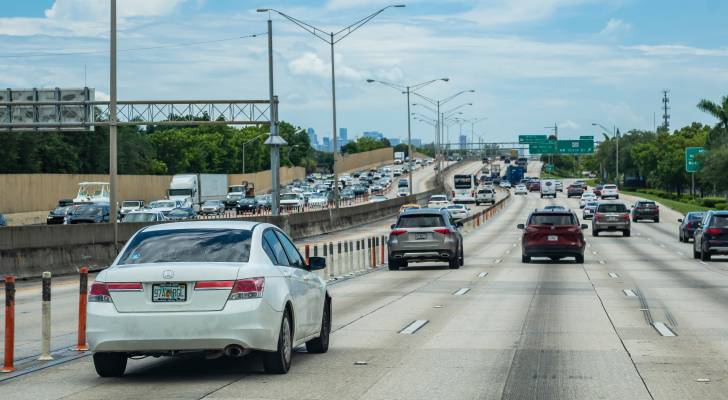
Florida Governor Ron DeSantis announced that Progressive will return nearly $1 billion to auto policyholders in the state, calling it proof that Florida’s troubled insurance market is finally on the mend.
Must Read
- Thanks to Jeff Bezos, you can now become a landlord for as little as $100 — and no, you don’t have to deal with tenants or fix freezers. Here’s how
- Dave Ramsey warns nearly 50% of Americans are making 1 big Social Security mistake — here’s what it is and 3 simple steps to fix it ASAP
- No time to lower your crippling car insurance rate? Here’s how to do it within minutes — you could end up paying $29/month without a single phone call
“Florida’s insurance market is stabilizing with decreasing auto and home insurance rates and frivolous litigation is declining,” DeSantis said in a press release (1). “This year, Florida’s top five auto insurers are averaging over a 6% rate reduction and we’ve secured nearly $1 billion in credits for Progressive auto policyholders — and the other carriers are expected to follow suit soon.”
Florida Chief Financial Officer Blaise Ingoglia celebrated the move.
“It’s a good day when the insurance companies are the ones sending the checks to the policyholders instead of receiving checks from policyholders,” Ingoglia said.
DeSantis said the size of each refund will depend on how long a policyholder has been with the company, but the average Florida policyholder can expect “a $300 rebate” from Progressive (2).
Progressive later clarified the timing and eligibility details:
“Progressive currently expects Florida personal auto policyholders active as of December 31, 2025, will receive a credit in 2026. The actual credit amount for each policyholder will vary in proportion to each auto policy’s earned premium during calendar year 2025 and will depend on final year-end financial results for 2025 (3).”
As of September, Progressive had roughly 2.7 million active personal auto policyholders in Florida.
Progressive spokesperson Jeff Sibel later said the method of refund — whether a check or a renewal credit — will depend on how each policyholder pays their premiums.
“Active Florida policyholders as of 12/31/25 will not need to take any action to receive a credit in 2026,” Sibel said. “If an eligible policyholder has an outstanding balance or renewal payment due, they will receive a credit on their statement. If the eligible policyholder has no balance due, or their credit is greater than their next payment, the remaining credit will be returned via their recent regular payment method."
How to lower your car insurance — no matter where you live
Florida has long ranked among the most expensive states for car insurance, but the trend may finally be shifting.
In July, Florida Insurance Commissioner Mike Yaworsky reported a statewide decline in auto rates: the top five insurance groups are showing an average 6.5% rate decrease for 2025 — a sharp reversal from a 4.3% increase in 2024 and a staggering 31.7% jump in 2023 (4).
While Florida’s insurance market may finally be catching a break, drivers across the rest of the country are still feeling the squeeze. Nationwide, the average cost of car insurance has surged 55% since 2020, according to the Bureau of Labor Statistics (5).
Car insurance is a major recurring expense and many people overpay without realizing it. According to Forbes, the average cost of full-coverage car insurance is $2,149 per year (or $179 per month).
However, rates can vary widely depending on your state, driving history and vehicle type and you could be paying more than necessary.
By using OfficialCarInsurance.com, you can easily compare quotes from multiple insurers, such as Progressive, Allstate and GEICO, to ensure you’re getting the best deal.
In just two minutes, you could find rates as low as $29 per month.
And it’s not just your car that might be costing you more than it should. Home insurance is another major expense where smart shoppers can save big.
With OfficialHomeInsurance, comparing home insurance rates is fast and hassle-free. Just fill in a bit of information and the platform will instantly sort through over 200 insurers to find you the best deals available in your area.
You’ll be able to review all your offers in one place and quickly find the coverage you need for the lowest possible cost, saving an average of $482 a year.
Read more: Warren Buffett used 8 simple money rules to turn $9,800 into a stunning $150B — start using them today to get rich (and then stay rich)
Put your refund (or savings) to work
If you’re one of the lucky drivers getting money back — or you’ve just managed to cut your premiums — don’t let those extra dollars disappear into everyday spending. Even small amounts can make a real difference when you put them to work strategically.
In fact, one of the easiest ways to avoid financial waste is by putting your spare change to work instead of letting it sit idle. That’s where micro-investing apps like Acorns come in.
When you make a purchase on your credit or debit card, Acorns automatically rounds up the price to the nearest dollar and invests the difference — the coins that would wind up in your pocket if you were paying cash — into a diversified portfolio of ETFs.
Buying a coffee for $3.40? The app rounds it up to $4 and invests the extra $0.60. Over time, those small amounts can add up — especially if you’re consistently spending and saving.
It’s a simple, set-it-and-forget-it way to build wealth from money you might not even miss — and, if you sign up today with a recurring contribution, Acorns will add a $20 bonus to help you begin your investment journey.
If you’d rather keep your extra cash safe and accessible, consider parking it in a high-yield account, such as a Wealthfront Cash Account. It can be a great place to grow your emergency funds, offering both competitive interest rates and easy access to your cash when you need it.
A Wealthfront Cash Account can provide a base variable APY of 3.50%, but Moneywise readers can get an exclusive 0.65% boost over their first three months for a total APY of 4.15% provided by program banks on your uninvested cash. That’s over nine times the national deposit savings rate, according to the FDIC’s September report.
With no minimum balances or account fees, as well as 24/7 withdrawals and free domestic wire transfers, you can ensure your funds remain accessible at all times. Plus, Wealthfront Cash Account balances of up to $8 million are insured by the FDIC through program banks.
What To Read Next
- Savvy investors are using 5 stealthy alternatives to safeguard their portfolios — here’s how to build wealth in 2026 even if trillions vanish from US stocks
- Robert Kiyosaki says this 1 asset will surge 400% in a year — and he begs investors not to miss its ‘explosion’
- I’m almost 50 and have nothing saved for retirement — what now? Don’t panic. These 6 easy steps can help you turn things around
- Dave Ramsey says this 7-step plan ‘works every single time’ to kill debt, get rich in America — and that ‘anyone’ can do it
Join 200,000+ readers and get Moneywise’s best stories and exclusive interviews first — clear insights curated and delivered weekly. Subscribe now.
Article sources
We rely only on vetted sources and credible third-party reporting. For details, see our editorial ethics and guidelines.
Executive Office of the Governor Ron Desantis (1); @News4JAX (2); WPTV (3); Florida Office of Insurance Regulation (4); U.S. Bureau of Labour Statistics (5)
This article provides information only and should not be construed as advice. It is provided without warranty of any kind.