
In taking action against systemic fraud, the Minnesota Department of Human Services has disenrolled roughly 800 Medicaid providers from the state’s Medicaid program.
The disenrolled providers are reportedly those which have not billed for services in more than a year. In a press release, the department said the action is meant to tighten oversight, stating it would “strengthen the integrity of Minnesota’s Medicaid programs and services (1).”
Must Read
- Thanks to Jeff Bezos, you can now become a landlord for as little as $100 — and no, you don’t have to deal with tenants or fix freezers. Here’s how
- Robert Kiyosaki says this 1 asset will surge 400% in a year — and he begs investors not to miss its ‘explosion’
- Dave Ramsey warns nearly 50% of Americans are making 1 big Social Security mistake — here’s what it is and 3 simple steps to fix it ASAP
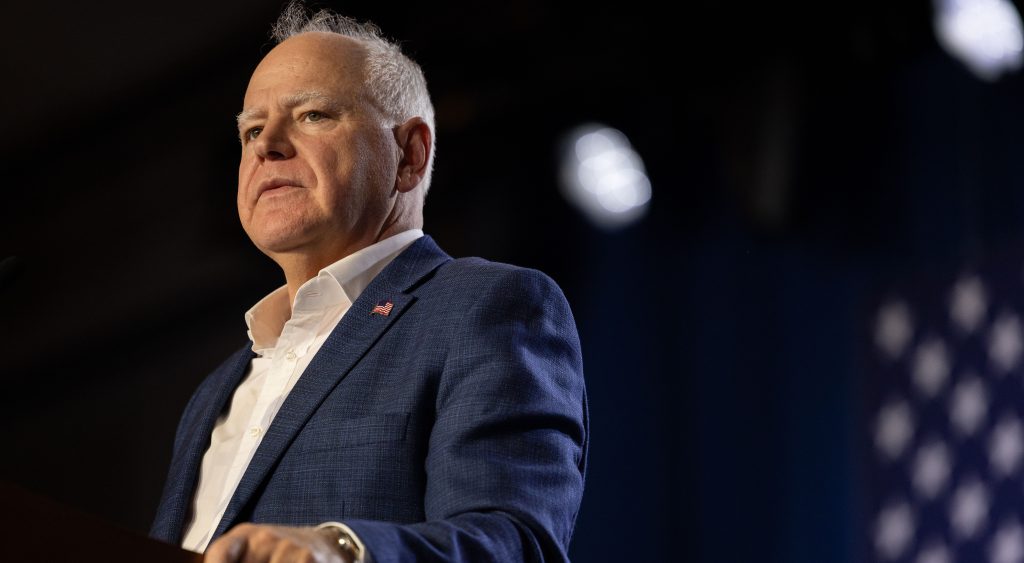
This initiative aligns with Governor Tim Walz’s Executive Order 25-10, which directs the state’s agencies to ramp up their efforts to thwart fraud. In fact, the governor reportedly ordered the Department of Human Services (DHS) to “immediately disenroll all Minnesota Health Care Program enrolled providers who have not billed Medicaid in the last 12 months.”
The DHS press release also notes that the 800 Medicaid providers were part of the “first round” of disenrollments, meaning there could be more to come in the months ahead.
Following President Trump’s lead
When Trump’s second term as president began, his administration immediately took aim at federal health programs like Medicaid, vowing to remove what he called “waste, fraud and abuse” in the health care system. Trump also targeted Medicaid with his “One Big Beautiful Bill,” cutting 15% of Medicaid’s funding, according to health policy nonprofit KFF (2).
The nonpartisan Congressional Budget Office found that Trump’s bill would lead to more than $1 trillion in cuts to Medicaid by 2034, with 11.8 million more Americans losing health insurance within the next 10 years, according to the New York Times (3).
With the federal government targeting fraud in the health care system, some states are following suit by taking aim at Medicaid. Along with Governor Walz in Minnesota, Texas Senator Ted Cruz has also vowed to crack down on the “massive fraud” within the Medicaid program.
Read more: I’m almost 50 and have nothing saved for retirement — what now? Don’t panic. These 6 easy steps can help you turn things around
Is waste and fraud really an issue with Medicaid?
As KFF reports, House Speaker Mike Johnson commented on Medicaid back in March, 2025, saying the health care program is “hugely problematic because it has a lot of fraud, waste and abuse (4).”
KFF’s report notes that while there aren’t any “reliable measures of fraud against Medicaid,” the Health Care Fraud and Abuse Control program — run by the Department of Justice and the Health and Human Services Office of Inspector General — exists to “coordinate federal, state and local health care fraud and abuse law enforcement activities.”
In June, 2025, the Justice Department announced that its 2025 National Health Care Fraud Takedown resulted in criminal charges against 324 defendants, including 96 doctors, nurse practitioners, pharmacists and other medical professionals. A press release from the Justice Department noted the operation “involved federal and state law enforcement agencies across the country,” highlighting that charges were laid in 50 federal districts (5).
What this means for Minnesotans
As of 2021, about 1.3 million people were covered by Minnesota’s publicly funded health care programs, which include Medicaid (6).
In the press release announcing the 800 disenrollments, the DHS notes the move means Medicaid resources will now be focused on “providers who are actively serving members of Minnesota’s public health care programs (1).”
While the 800 disenrolled Medicaid providers apparently weren’t actively servicing members for the last year, the loss of hundreds of providers is bound to affect a number of Minnesotans. If you are a Medicaid member in Minnesota and you’re concerned that your health care provider may have been disenrolled, be sure to check whether your provider still accepts Medicaid.
To do so, go to your health insurance company’s website and check its provider directory. If you do not see your provider listed, call your health insurance company and check, as the online directory may not be accurate (7).
If your provider is not in the directory and you’re unsure whether recent treatment you’ve received is covered, be sure to ask your health insurance company whether the provider was in-network when you received the care in question.
If you need help navigating the health care system, search for a patient advocate in your area. You can search for a patient advocate in your state that helps with medical bills, or an advocate for the disease or condition you have (8).
What to read next
- Dave Ramsey says this 7-step plan ‘works every single time’ to kill debt, get rich — and ‘anyone’ can do it
- Are you richer than you think? 5 clear signs you’re punching way above the average American’s wealth
- Warren Buffett used 8 simple money rules to turn $9,800 into a stunning $150B — start using them today to get rich (and then stay rich)
- This tiny hot Costco item has skyrocketed 74% in price in under 2 years — but now the retail giant is restricting purchase. Here’s how to buy the coveted asset in bulk
Join 200,000+ readers and get Moneywise’s best stories and exclusive interviews first — clear insights curated and delivered weekly. Subscribe now.
Article sources
We rely only on vetted sources and credible third-party reporting. For details, see our editorial ethics and guidelines.
Minnesota Department of Human Services (1, 6); UC Berkeley Public Health (2); New York Times (3); KFF (4); U.S. Department of Justice (5); Centers for Medicare & Medicaid Services (7, 8)
This article originally appeared on Moneywise.com under the title: Minnesota removes 800 Medicaid providers from system in effort to tackle systemic fraud. What that means for residents
This article provides information only and should not be construed as advice. It is provided without warranty of any kind.