
Among renters in the U.S., 86% want to buy a house, but 54% think that’s unlikely to ever happen, according to a CNN poll. This concern is understandable, as homeownership has grown more expensive in recent years thanks to rising mortgage rates and higher home prices.
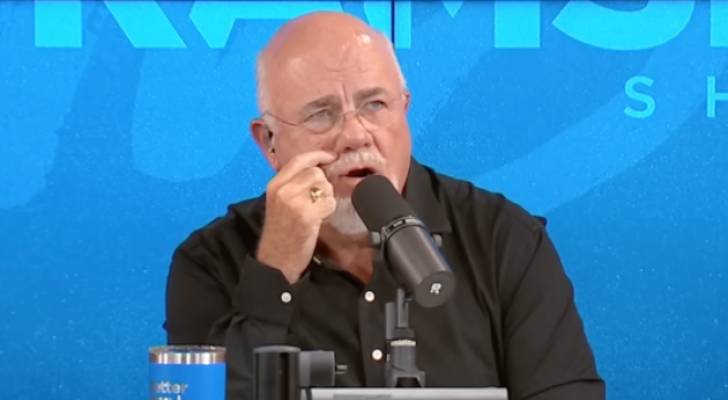
For one caller to The Ramsey Show, however, that’s not a big concern. Jake from Ohio explained that he and his wife are both 24 years old and they’re building their forever home. But, they aren’t paying for it the same way most people would (2).
"The costs kind of got out of control," Jake said. "My parents stepped in … they’ve accumulated some wealth over the years … they’ve handed us over a lump sum of money to help us build this house. Whatever’s left over, we’ll pay back in a mortgage payment to them."
Must Read
- Thanks to Jeff Bezos, you can now become a landlord for as little as $100 — and no, you don’t have to deal with tenants or fix freezers. Here’s how
- Robert Kiyosaki says this 1 asset will surge 400% in a year — and he begs investors not to miss its ‘explosion’
- Dave Ramsey warns nearly 50% of Americans are making 1 big Social Security mistake — here’s what it is and 3 simple steps to fix it ASAP
Jake’s parents are giving him between $200,000 and $250,000 to build, which was about half the total cost, and Jake’s now borrowing more from them to finish the build of the home, valued at around $450,000. Despite the loan and his $120,000 in savings, Jake and his wife now want to travel and enjoy life. However, they aren’t sure if they should pay Jake’s parents back first.
Dave Ramsey had some pointed words on the situation, with both he and cohost John Delony urging Jake to start taking care of his finances like an adult.
Why Ramsey thinks the money needs to be paid back ASAP
Ramsey was not very happy with Jake’s question about whether he should take a vacation rather than pay back his parents for the loan on his home. In fact, Ramsey rephrased the question Jake had asked about whether to "have fun in our early 20s" in a way that made very clear what the answer should be.
"So, do I borrow money from my parents when I’m newly married to travel? That’s in essence where this lands," Ramsey said.
"When I say it that way, does it sound as crazy to you as it does to me?"
He explained to Jake that he "did grown-up stuff" in choosing to build the home, and now he should "pay for your stinkin’ house, and then start talking about travel."
To that end, Ramsey advised Jake to pay back as much as he could out of his savings now, then take out a commercial loan and use that money to pay back the rest to his parents rather than continuing to be in debt to them.
The reason for this advice was simple. Ramsey does not want parents to lend to their kids. In this case, he believes it will create an uncomfortable situation for Jake’s wife, and it will permanently change the nature of the relationship between Jake and his parents — and create inevitable conflict.
"You change your relationship with your daughter-in-law or son-in-law. You change the relationship and how you interact with each other," he said. "You’re adding layers to it that are unintended, but they are very real, and no one is an exception."
Trending: I’m almost 50 and have nothing saved for retirement — what now? Don’t panic. These 6 easy steps can help you turn things around
Should you borrow from loved ones, or give a loved one a loan?
While getting money from your parents to buy a house may seem like a dream, Ramsey is right that mixing family finances like this can turn sour.
FinanceBuzz research into family lending revealed that only 56% of borrowers ended up paying back loans to a family member, while 24% of people who lent money to a family member reported the experience had negatively impacted the relationship (3).
Common problems revealed by the FinanceBuzz survey included:
- Awkward interactions
- Hurt feelings
- Growing resentment
- Arguments
- Withholding things from each other
In some cases, family members even stopped seeing each other or inviting each other to family events over a debt. And that’s understandable from both a borrower’s and a lender’s perspective.
The person who borrowed the money might feel embarrassed or indebted and may hide things like going on vacation or making purchases. Meanwhile, the lender may feel resentful if they see the person they loaned money to not spending wisely or not showing gratitude.
Ultimately, Ramsey said that while it can be OK to give a gift — with the clear understanding on all sides that it is a gift — borrowing should simply be off the table to avoid issues.
Ramsey acknowledged that Jake was probably going to take the loan from his parents anyway, because it is tempting to accept this kind of generosity. And, in the real world, this happens all the time as parents do want to support their children.
If you are in a situation where you are considering taking a loan from a loved one or making a loan to a loved one, you should think seriously about whether issues like resentment could crop up.
You should also make sure you are on the same page about exactly when and how the debt will be paid back, and establishing guidelines about what happens if unexpected issues arise that make a missed payment or nonpayment possible.
Creating a detailed agreement that addresses these and other contingencies can potentially reduce the risk of negative consequences — although following Ramsey’s advice and not borrowing in the first place may be the better approach.
What to read next
- Dave Ramsey says this 7-step plan ‘works every single time’ to kill debt, get rich — and ‘anyone’ can do it
- Are you richer than you think? 5 clear signs you’re punching way above the average American’s wealth
- Warren Buffett used 8 simple money rules to turn $9,800 into a stunning $150B — start using them today to get rich (and then stay rich)
- This tiny hot Costco item has skyrocketed 74% in price in under 2 years — but now the retail giant is restricting purchase. Here’s how to buy the coveted asset in bulk
Join 200,000+ readers and get Moneywise’s best stories and exclusive interviews first — clear insights curated and delivered weekly. Subscribe now.
Article sources
We rely only on vetted sources and credible third-party reporting. For details, see our editorial ethics and guidelines.
CNN (1); The Ramsey Show (2); FinanceBuzz (3)
This article originally appeared on Moneywise.com under the title: Ohio man owes his parents $200K but would rather go on vacation than pay them back, leaving Dave Ramsey gobsmacked
This article provides information only and should not be construed as advice. It is provided without warranty of any kind.