
In a research note published Aug. 25, Barclays economists shared their view that the U.S. economy has likely entered a “stall state.” The bank’s “tipping points” model now places odds of a recession within the next two years at 50%.
Trending Now
- Thanks to Jeff Bezos, you can now become a landlord for as little as $100 — and no, you don’t have to deal with tenants or fix freezers. Here’s how
- I’m 49 years old and have nothing saved for retirement — what should I do? Don’t panic. Here are 6 of the easiest ways you can catch up (and fast)
- Robert Kiyosaki warns of a ‘Greater Depression’ coming to the US — with millions of Americans going poor. But he says these 2 ‘easy-money’ assets will bring in ‘great wealth’. How to get in now
And they’re far from alone in sounding the alarm.
Moody’s economist Mark Zandi recently said that the U.S. economy is on the edge of recession, writing on X that “states making up nearly a third of U.S. GDP are either in or at high risk of recession, another third are just holding steady, and the remaining third are growing.”
What Zandi and other concerned economists like him consider a warning sign is flatlining job growth in the face of tariff uncertainty. In the July jobs report released a month ago, job growth was shown to be weaker than expected, and May and June payrolls were revised downward by a combined 258,000.
It’s hard to know for sure what’s headed our way, but it’s helpful to get your financial ducks in a row to weather whatever economic conditions come.
Deceleration
In recent years, the economy has felt like a rollercoaster for many. Between inflation, stagnant wages, and elevated interest rates, many Americans are feeling the pinch. But according to some experts, there’s a chance that things could take a turn for the worse in the form of a recession.
Barclays analysts use a model to gauge the probability of the economy being in one of four states — rapid expansion, expansion, stall speed and recession. After the payroll revisions, they said “the model suggests that the underlying pace of U.S. growth has decelerated to a pace that makes it vulnerable to a recession.” In other words, it looks like the world’s largest economy is sputtering or in the “stall” state.
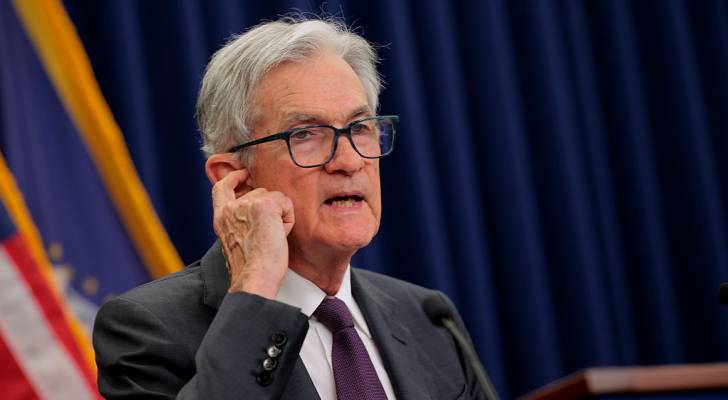
Their results, they said, support Federal Reserve Chair Jerome Powell’s argument made in Jackson Hole that the risk of low employment numbers is currently higher than the risk of high inflation.
Rate cut on the horizon?
Wall Street traders think this weaker-than-expected job market will push the Fed into lowering interest rates later this month in order to stimulate the economy. But only time will tell if those expectations become a reality. In Jackson Hole, Powell mildly alluded to the possibility that a rate cut will be needed, and said the Fed would move carefully as it evaluates the risks.
How to navigate a changing economy
Federal Reserve policy changes, like rate hikes and cuts, can have a tangible impact on your financial situation. For example, the relatively high rates right now may mean that you are facing higher debt payments due to increased interest rates on variable interest debt.
Many Americans are hoping to see a rate cut because lower rates could put larger purchases, like homeownership, within reach. With plenty of changing factors in the mix, it’s hard to accurately predict the future. It’s possible the Fed will defy expectations and not cut rates in September as inflation is still above the 2% target.
In a changing economy, do your best to shore up your finances to protect against the fallout of a serious recession, like a job loss. The best step for you varies based on your unique financial situation.
For those carrying high-interest debt, like credit card debt, making headway on paying down those balances can help to stop the bleeding. Even if interest rates remain high, a shrinking credit card balance can breathe more life into your budget.
Whether or not you are paying down debt, it’s helpful to have a stockpile of emergency funds to help you cover whatever life throws your way. In this economy, some experts are recommending larger than normal emergency funds, in the range of six to 12 months’ worth of expenses.
If that feels out of reach, start with a smaller goal, like $1,000, and work your way up to a larger buffer to fall back on during tough times. As you save, consider tucking your funds into a high-yield savings account to help you grow your funds and have easy access to them.
In terms of your investment strategy, hearing the word “recession” might prompt you to stop investing cold turkey. While that might feel safe in the moment, pulling back from your long-term strategy could turn out to be a mistake. When possible, stick to your long-term investment plan and avoid attempting to time the market in hopes of maximizing your investment returns because that rarely works out well.
Read more: Start paying as little as $29 next month for car insurance. Here’s how
This article provides information only and should not be construed as advice. It is provided without warranty of any kind.