
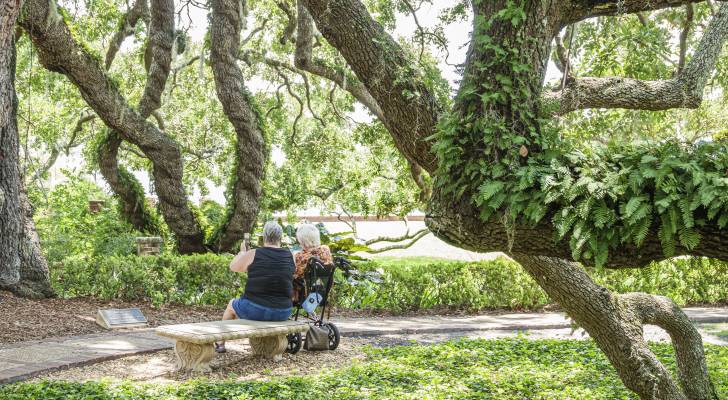
Despite its beautiful climate, parks, beaches and access to some of the country’s best seafood, Jacksonville, Florida, doesn’t excite the folks at FinanceBuzz.
The auto insurance advisory company recently conducted a study ranking the 75 most populous U.S. cities based on their excitement factor. The score considered whether a city is a popular tourist destination, the strength of its restaurants, nightlife and concert venues.
Must Read
- Thanks to Jeff Bezos, you can now become a landlord for as little as $100 — and no, you don’t have to deal with tenants or fix freezers. Here’s how
- Dave Ramsey warns nearly 50% of Americans are making 1 big Social Security mistake — here’s what it is and 3 simple steps to fix it ASAP
- I’m 49 years old and have nothing saved for retirement — what should I do? Don’t panic. Here are 6 of the easiest ways you can catch up (and fast)
Jacksonville earned a dismal 14.3 out of 100, scoring low for its abundance of chain restaurants and lack of nightclubs.
So what does that mean for the city’s reputation as a retirement hub? Let’s dive in.
The most exciting cities in the U.S.
Jacksonville residents don’t have to go far to find more action. Other Floridian cities, including Miami, Orlando and Tampa, ranked in the top 20.
Atlanta took the top spot overall, while more obvious picks like New York City, Las Vegas and Los Angeles ranked fifth, eighth and 19th, respectively.
If seniors in Jacksonville are craving a better dining experience, a weekend getaway to Miami could do the trick. FinanceBuzz reported that only 35% of Miami’s restaurants are chains, and the city boasts 16 Michelin-rated establishments. It ranks No. 2 overall on the list, offering plenty of variety for retirees seeking a fresh culinary experience.
St. Louis, Missouri, rounded out the top three. The city has the fifth-highest rate of annual events, the second-most nightclubs per capita and the eighth-most concert venues per capita. We’re tired just thinking about it!
Jacksonville’s appeal to retirees
While Jacksonville may lack buzz, its NFL team, long stretches of beach and abundance of golf courses make it an attractive destination for older adults seeking a blend of fun and relaxation.
The over-65 crowd might not prioritize nightclubs and late-night concerts. Instead, they may prefer a more laid-back pace. And while Jacksonville may not top the list for trendy restaurants, it does have a thriving arts scene with several galleries and museums.
In fact, a U.S. News & World report ranked Jacksonville the seventh-best place to retire in 2025. The report praised the “River City” for being "big enough to find something for everyone to enjoy” and rated it highly for housing affordability, health care quality, crime rates, weather and other factors that matter to seniors.
So, should active seniors pass on Jacksonville? Not necessarily. The key is to weigh the pros and cons, and think about what matters most to you when envisioning your ideal retirement.
Read more: How much cash do you plan to keep on hand after you retire? Here are 3 of the biggest reasons you’ll need a substantial stash of savings in retirement
How to decide where to retire
Retirement looks different for everyone. Maybe you’re dreaming of travel and nightlife, or perhaps you’d rather tend a garden outside a cozy bungalow. Planning your next chapter involves balancing enjoyment with practical concerns. Here are some things to consider:
- Cost of living: Your retirement lifestyle will shape the type of city you choose. If you prefer urban living, you might rent a small apartment and rely on public transit. If you’re planning to spread out, factor in not just housing costs but also utilities, transportation and how far you’ll be from health care providers.
- Health care quality: As you age, access to quality health care becomes even more important. Consider proximity to hospitals, the availability of specialists and a city’s overall health care infrastructure. Check the reputations of local hospitals, especially for geriatric care.
- Taxes: They can eat into your retirement income, especially if you’re moving from a low-tax to a high-tax state. Your income sources and spending habits will influence how much you owe, so do your homework before relocating.
- Political climate: Whether your new city leans red or blue may affect your comfort level and daily life. Consider whether you’d feel at ease discussing politics with new neighbors and how local policies could impact your lifestyle.
- Safety: Crime rates and economic stability can impact your sense of security. Research the data for your prospective city, and consider how safe you’ll feel walking around or going about your daily routine.
Finally, don’t underestimate your own happiness. Think about the weather, ease of travel and availability of activities tailored to seniors. Whether your chosen city is “exciting” or not, what matters most is that it fits your vision for your golden years.
Choose wisely, and you’ll be setting yourself up for comfort, contentment and maybe even a little adventure in your third act.
What to read next
- Want an extra $1,300,000 when you retire? Dave Ramsey says this 7-step plan ‘works every single time’ to kill debt, get rich in America — and that ‘anyone’ can do it
- ‘Rich Dad, Poor Dad’ author Robert Kiyosaki says this 1 asset will surge 400% in a year — and he begs investors not to miss its ‘explosion’
- There’s still a 35% chance of a recession hitting the American economy this year — protect your retirement savings with these 5 essential money moves ASAP
- This tiny hot Costco item has skyrocketed 74% in price in under 2 years — but now the retail giant is restricting purchase. Here’s how to buy the coveted asset in bulk
Join 200,000+ readers and get Moneywise’s best stories and exclusive interviews first — clear insights curated and delivered weekly. Subscribe now.
This article provides information only and should not be construed as advice. It is provided without warranty of any kind.